Introduction
If you’ve been searching for reliable income investments lately, you’ve probably come across the term sgov dividend more than once. A lot of people are curious about whether it’s actually a safe and steady option or just another ETF getting attention online. With interest rates changing so often, it’s normal to wonder if SGOV is still worth holding for monthly income.
In this guide, you’ll learn exactly how the sgov dividend works, how often it pays, what affects the yield, and why many investors use it for short-term cash management. Whether you’re new to dividend ETFs or simply comparing safer income options, this post will break everything down in a simple and easy-to-follow way.
What Is SGOV?
SGOV is the ticker symbol for the BlackRock iShares 0-3 Month Treasury Bond ETF. This Treasury bill ETF invests in short-term government bonds backed by the U.S. government. Because the fund focuses on securities with very short maturities, many investors view it as a low-risk dividend ETF and a practical cash management ETF.
Unlike traditional dividend-paying ETFs that rely on company profits, SGOV generates income from interest earned on Treasury-backed assets. That makes it appealing for conservative investors who care more about capital preservation than aggressive growth. In fact, many people now use SGOV as a high-yield cash alternative during uncertain economic periods.
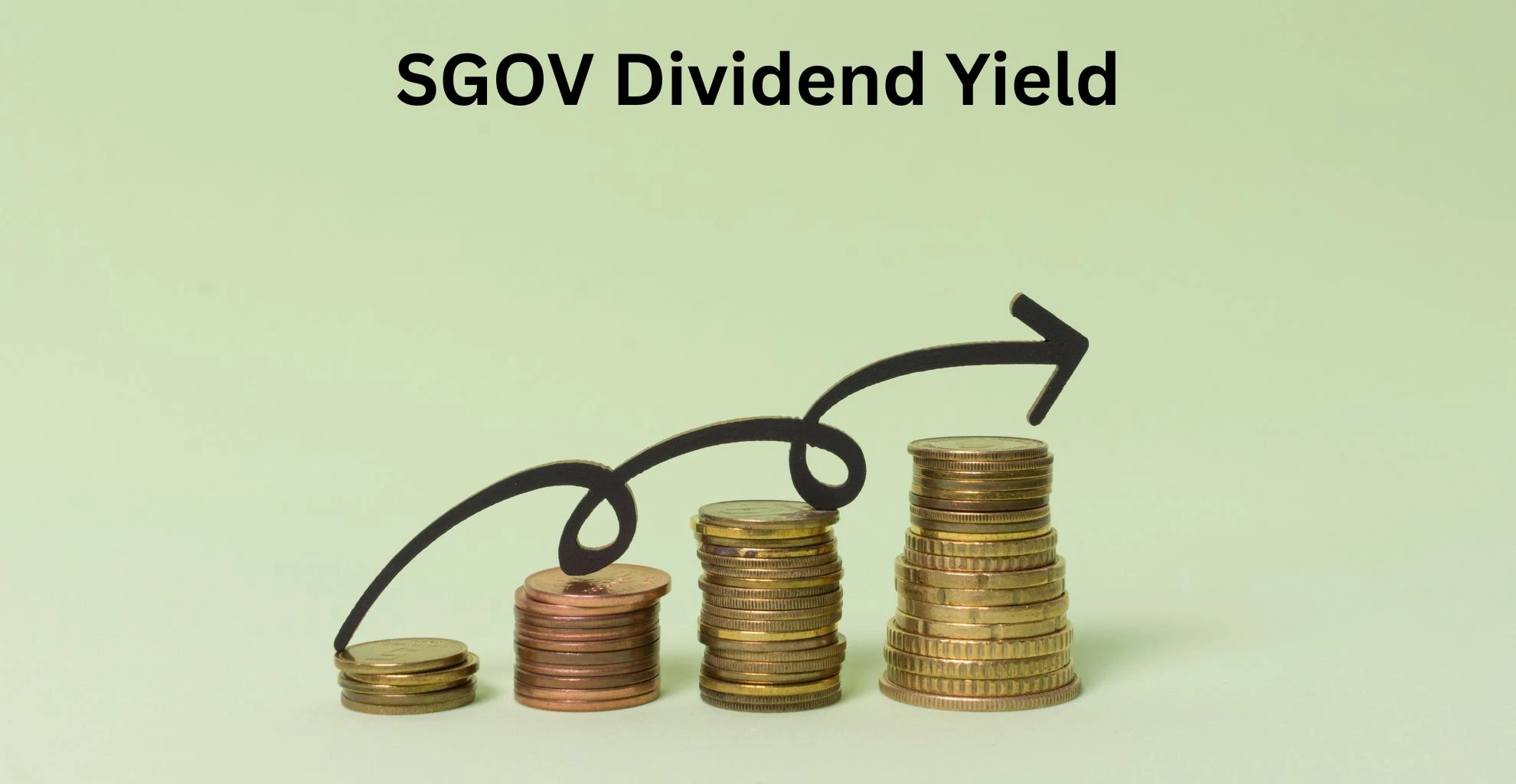
SGOV Dividend Yield Explained
The SGOV dividend yield comes from the interest payments earned on short-term Treasury bills held inside the ETF. Since Treasury yields move with the broader interest rate environment, SGOV’s yield can rise or fall depending on Federal Reserve policy and bond market conditions.
Many investors prefer SGOV because it distributes income monthly instead of quarterly. That steady payment schedule can help people who want predictable cash flow from a fixed income ETF. Also, SGOV dividend payouts tend to reflect current Treasury rates more quickly than longer-duration bond funds.
SGOV Dividend History and Monthly Payouts
SGOV has built a reputation for consistent monthly payouts since its launch. While the exact payment amount changes over time, the ETF has generally maintained stable income distributions due to its exposure to short-term government bonds and Treasury bill exposure.
The SGOV dividend history also reflects changes in interest rates across the economy. When Treasury yields increased after Federal Reserve rate hikes, SGOV monthly dividend payments rose as well. However, lower rates can reduce future payouts because the fund reinvests in newer securities with different yields.
Recent Dividend Payments
Recent SGOV dividend payments have remained attractive compared to many traditional savings accounts. The ETF typically distributes income every month, making it useful for investors who prioritize monthly dividend income and low-volatility ETF strategies.
SGOV Ex-Dividend Date
The SGOV ex dividend date usually occurs once each month before the payout is distributed. Investors who own shares before that date generally qualify for the next dividend payment. Checking the dividend schedule regularly helps avoid surprises if you plan to buy shares specifically for income.
Current SGOV Dividend Yield in 2026
The current SGOV dividend yield in 2026 remains closely tied to short-term Treasury rates. Because the ETF invests in ultra short Treasury ETF holdings, its yield adjusts relatively quickly when interest rates change. This flexibility has helped SGOV stay competitive among safe dividend investments.
Many investors compare SGOV yield today with money market accounts and high-yield savings products. In several cases, SGOV still offers stronger after-fee income potential while maintaining exposure to U.S. Treasury securities. That said, yields can fluctuate throughout the year depending on inflation and Treasury yields.
Factors That Affect SGOV Dividend Yield
Several economic and market factors influence the SGOV ETF dividend and overall distribution yield. Since the fund focuses on short-duration bond investments, even small changes in Treasury markets can affect monthly income levels.
Understanding these drivers helps investors make smarter decisions instead of chasing yield blindly. For example, rising rates may increase future income while falling rates could gradually reduce payouts over time.
Federal Reserve Interest Rates
Federal Reserve policy has one of the biggest effects on SGOV annual yield and dividend payout consistency. When the Fed raises interest rates, new Treasury bills usually offer higher returns. As SGOV reinvests in those securities, the ETF’s monthly payouts often increase.
Treasury Bill Performance
Treasury bill performance directly impacts SGOV because the ETF primarily holds short-term Treasury securities. Strong demand for government debt or changing bond market performance can shift yields higher or lower within a short period.
Market Demand for Safe Investments
During uncertain markets, investors often move money into safe haven investments like Treasury-backed assets. Increased demand for low-risk passive income products may influence Treasury pricing and indirectly affect SGOV distribution yield over time.
SGOV vs Other Dividend ETFs
SGOV stands out because it focuses on capital stability and income instead of stock market growth. While many dividend-paying ETFs chase higher yields through corporate stocks, SGOV prioritizes cash preservation strategy and lower volatility.
Here’s a quick comparison of popular Treasury and income ETFs:
| ETF | Asset Type | Risk Level | Monthly Income | Yield Focus |
| SGOV | Short-term Treasury ETF | Low | Yes | Treasury income |
| BIL | Treasury bill ETF | Low | Yes | Short-duration bonds |
| SHV | Short-term government bonds | Low | Yes | Conservative income |
| High-Yield Dividend ETFs | Stocks | Medium-High | Usually | Equity dividends |
SGOV vs BIL
Both SGOV and BIL focus on Treasury bill exposure and short-duration bond fund strategies. However, some investors prefer SGOV because of its competitive expense ratio and strong monthly cash flow investing potential.
SGOV vs SHV
SHV also invests in short-term government bonds, but SGOV sometimes reacts faster to changing interest-bearing ETF conditions. Investors comparing the two usually focus on yield comparison ETFs and fund expenses.
SGOV vs High-Yield Dividend ETFs
High-yield dividend ETFs may offer larger payouts, but they usually come with greater volatility and stock market risk. SGOV, on the other hand, aims for secure income investments and stability rather than aggressive capital appreciation.

Pros and Cons of Investing in SGOV
SGOV appeals to investors who want reliable income without taking major risks. Still, no investment is perfect, and it’s important to understand both the benefits and drawbacks before investing.
Pros
- Monthly dividend payments
- Exposure to Treasury-backed assets
- Lower volatility than stock ETFs
- Useful for conservative investment portfolios
- Strong option for short-term cash storage
- Can support low-risk passive income goals
Cons
- Lower long-term growth potential
- Yield can fall if interest rates decline
- Less exciting during bull markets
- Dividend income may not beat inflation consistently
- Not designed for aggressive wealth building
Who Should Invest in SGOV?
SGOV may work well for investors seeking stable income and lower market risk. Retirees, conservative savers, and people building emergency cash reserves often use Treasury income ETFs to preserve capital while earning monthly income.
It can also fit investors waiting for better stock market opportunities. Instead of leaving cash idle, they use SGOV as part of an ETF income strategy that still generates returns. However, younger investors focused heavily on long-term growth may prefer more aggressive assets alongside it.
How to Buy SGOV ETF
Buying SGOV is fairly simple because it trades like a regular stock on major exchanges. Most online brokerages allow investors to purchase shares within minutes using taxable or retirement accounts.
Before investing, it helps to compare fees, account types, and trading tools. Even small differences in costs can affect returns over time.
Choosing a Brokerage
Look for a brokerage that offers commission-free ETF trading, reliable customer service, and easy portfolio management tools. Many investors also prefer platforms with automatic dividend reinvestment features for passive income growth.
Steps to Invest
- Open a brokerage account
- Deposit funds into your account
- Search for the SGOV ticker
- Decide how many shares to buy
- Place a market or limit order
- Monitor monthly payouts and yield changes
Tax Treatment of SGOV Dividends
SGOV dividend payments usually receive different tax treatment compared to traditional stock dividends. Since the ETF earns income from U.S. Treasury securities, a portion of the payouts may be exempt from state and local taxes depending on where you live.
Federal taxes still apply to most Treasury interest payments. Investors should also remember that tax rules can change over time, so reviewing official documents or speaking with a tax professional is always a smart move.
Is SGOV a Good Investment in 2026?
SGOV remains a strong option for investors who want stability, liquidity, and monthly income in 2026. In a market where uncertainty still affects stocks and bonds, short-term Treasury ETFs continue attracting conservative investors looking for safer returns.
That said, SGOV isn’t a magic solution for every portfolio. It works best as a stable income investment or cash alternative rather than a high-growth asset. If your goal is preserving capital while earning steady interest payments, SGOV may fit your strategy well.
Conclusion
SGOV has become one of the most talked-about Treasury bond ETFs for investors who value stability and reliable income. Its combination of monthly payouts, low volatility, and Treasury-backed assets makes it attractive for people seeking safer alternatives to traditional dividend stocks.
While SGOV won’t deliver explosive growth, it can play an important role in a balanced portfolio. If you want consistent income, capital preservation, and exposure to short-term government bonds, SGOV may be worth considering in 2026 and beyond.
Frequently Asked Questions
Does SGOV pay dividends monthly?
Yes, SGOV monthly payouts are typically distributed every month based on Treasury interest income.
What is the current SGOV dividend yield?
The SGOV dividend yield changes regularly depending on short-term Treasury rates and Federal Reserve policy.
Is SGOV safer than dividend stocks?
Generally, yes. SGOV invests in U.S. Treasury securities, which are considered lower risk than most stock-based dividend ETFs.
How are SGOV dividends taxed?
SGOV interest payments are federally taxable, though some portions may be exempt from state and local taxes.
Can SGOV generate passive income?
Yes, many investors use SGOV as part of a low-risk passive income or monthly cash flow investing strategy.