
Introduction
If you’ve ever tried to estimate import duties or customs fees, you know how confusing the process can be. One small mistake in your calculations can lead to unexpected costs, making it hard to budget accurately for international shipments. That’s why many people turn to a tariff calculator to get quick and reliable estimates before making important decisions.
In this guide, you’ll learn how a tariff calculator works, why it’s useful, and how it can help you avoid costly surprises. Whether you’re a business owner, importer, or online shopper, this article will give you the information you need to calculate tariffs with greater confidence and ease.
What Is a Tariff Calculator?
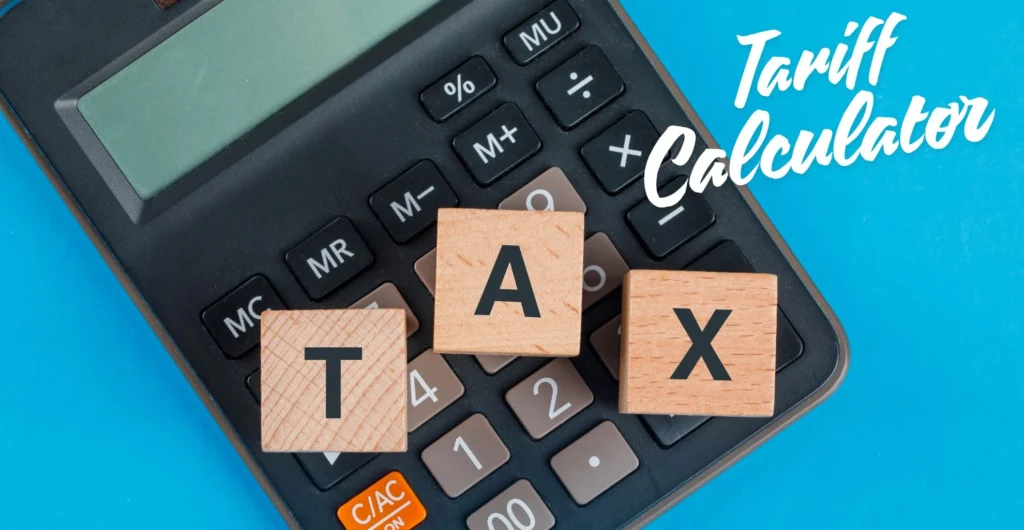
A tariff calculator is an online tool that estimates the duties and taxes you may need to pay when importing goods into a country. Think of it as a customs duty calculator that helps remove the guesswork from international purchases and shipments. By entering product details, shipment value, and destination information, you can get an estimate of your import costs in seconds.
Many people use a tariff calculator before ordering products overseas because it provides a clearer picture of total expenses. Whether you’re an individual shopper, an importer, or an ecommerce seller, this type of import duty calculator can help you avoid unpleasant surprises. It often works as a duty and tax calculator, customs fee calculator, and import charges calculator all in one.
How Does a Tariff Calculator Work?
A tariff calculator collects several pieces of information to estimate import costs. These usually include the product value, shipping charges, destination country, and product classification code. Many tools also use an HS code lookup tool to identify the correct tariff category for the item being imported.
Once the information is entered, the system compares it with current customs regulations and tax rates. The customs tax estimation tool then calculates potential duties, taxes, and fees. Some advanced calculators also include shipping expenses and tax on imported goods to provide a more accurate landed cost estimate.
Why You Need a Tariff Calculator
International shipping can be complicated. Without proper planning, you might underestimate your expenses and exceed your budget. A tariff calculator helps answer common questions like “how much will I pay in import tax” before you commit to a purchase.
Businesses benefit even more because accurate estimates support better pricing and inventory planning. If you’re wondering how to calculate customs duty on imports, these tools simplify the process. They help reduce financial risk and allow you to compare suppliers and shipping options more confidently.
Key Features of a Good Tariff Calculator
Not all calculators offer the same level of accuracy. The best tools include features that make customs calculations easier and more reliable. A quality trade tariff calculator should provide current tax rates and support multiple countries.
Look for these important features:
- Real-time duty and tax estimates
- Integrated HS code lookup tool
- Country-specific tariff databases
- Landed cost calculator functions
- Shipping and insurance cost inclusion
- User-friendly interface
- Multi-currency support
A good international trade calculator should also update regularly to reflect changing customs regulations. This ensures that your estimates remain relevant and dependable.
Step-by-Step: How to Use a Tariff Calculator
Using a tariff calculator is usually straightforward. First, gather all the necessary information about your shipment. This includes the product description, declared value, shipping cost, country of origin, and destination country. Having accurate information improves the quality of the estimate.
Follow these steps:
- Enter the product description.
- Select the destination country.
- Add the product value.
- Include shipping and insurance costs.
- Choose or enter the HS code.
- Review the estimated duties and taxes.
After submitting the information, the tool generates an estimate. This process helps you calculate import duty for online purchases and estimate customs charges before shipping goods.
Tariff Calculator vs Manual Duty Calculation
Manual duty calculations often require researching tariff schedules, tax regulations, and customs classifications. This process can take considerable time and may lead to mistakes if information is outdated or incomplete.
A tariff calculator automates much of this work. Instead of checking multiple sources, you receive an estimate almost instantly. For many users, this is the easiest way to calculate international tariffs without needing expert knowledge.
| Feature | Tariff Calculator | Manual Calculation |
| Speed | Very Fast | Time-Consuming |
| Accuracy | High | Depends on User |
| Ease of Use | Simple | Complex |
| Updates | Often Automatic | Manual Research |
| Error Risk | Lower | Higher |
Who Should Use a Tariff Calculator?
Anyone involved in international trade can benefit from these tools. Individual shoppers often use a tariff calculator for international shipping to understand the total cost before placing an order. Importers also rely on accurate duty estimates to maintain profitability.
The following groups frequently use these tools:
- Online shoppers
- Import/export businesses
- Ecommerce sellers
- Amazon sellers
- Dropshippers
- Small business owners
- Freight forwarders
A customs duty calculator for ecommerce sellers can be especially useful when pricing products for different markets. Likewise, a duty calculator for Amazon sellers helps estimate costs before listing imported products.
Common Mistakes When Estimating Tariffs
One of the biggest mistakes people make is selecting the wrong HS code. Even a small classification error can significantly change the amount of duty owed. Another common issue is forgetting to include shipping and insurance costs when calculating import charges.
Many users also overlook local taxes and customs clearance charges. In some cases, people rely on outdated tariff information, which can produce inaccurate results. Understanding import duty rules explained with calculator tools can help reduce these costly errors and improve estimate accuracy.
Common mistakes include:
- Using incorrect HS codes
- Ignoring shipping costs
- Excluding insurance fees
- Forgetting local taxes
- Using outdated tariff rates
- Misclassifying products
Benefits of Using an Online Tariff Calculator
An online duty calculator saves time and reduces the complexity of international trade calculations. Instead of manually researching customs regulations, you can obtain an estimate within minutes. This makes planning purchases and shipments much easier.
There are several key advantages:
- Faster customs calculations
- Better budgeting
- Reduced risk of surprises
- Improved business planning
- More accurate landed cost estimates
- Easier compliance with customs requirements
Whether you’re using a shipping cost calculator, import fees calculator, freight cost estimator, or international shipping calculator, these tools help you calculate total landed cost for products more efficiently. They are especially useful for managing cross-border shipping costs and understanding customs tax estimators for cross-border trade scenarios.
Conclusion
Importing products without understanding customs costs can lead to unexpected expenses and budgeting problems. A tariff calculator simplifies the process by providing quick estimates of duties, taxes, and related fees. Whether you’re an occasional shopper or a growing business, having this information upfront helps you make better decisions.
Before placing an international order or shipping goods overseas, take a few minutes to use a tariff calculator. The small effort can save money, reduce uncertainty, and help you plan with confidence. In today’s global marketplace, knowing your import costs before you buy is simply a smart move.
Frequently Asked Questions
What is a tariff calculator?
A tariff calculator is a tool that estimates import duties, taxes, and customs-related charges for international shipments.
Are tariff calculator estimates accurate?
Most estimates are reasonably accurate when you provide correct product information and classification codes.
Can I calculate import taxes before buying online?
Yes. Many tools allow you to estimate shipping taxes before buying and predict potential import costs.
Do tariff calculators include shipping costs?
Many advanced calculators include shipping, insurance, and other related charges in their calculations.
Which information do I need to use a tariff calculator?
You’ll usually need the product value, destination country, shipping cost, and HS code or product description.